Why Your Dropper Post Height Might Be Wrecking Your Cornering
Quick Answer: For most flowy, corner-heavy trail riding, the dropper should be low enough that your hips can move freely behind the saddle without hitting it, but not so low that you lose the ability to pedal through connector sections — a common error is leaving it fully dropped the entire descent, which actually reduces cornering control on smoother turns.
A lot of cornering problems that get blamed on tire pressure or line choice actually trace back to a dropper post set at the wrong height for the terrain in front of you.
How does dropper height actually affect cornering, specifically?
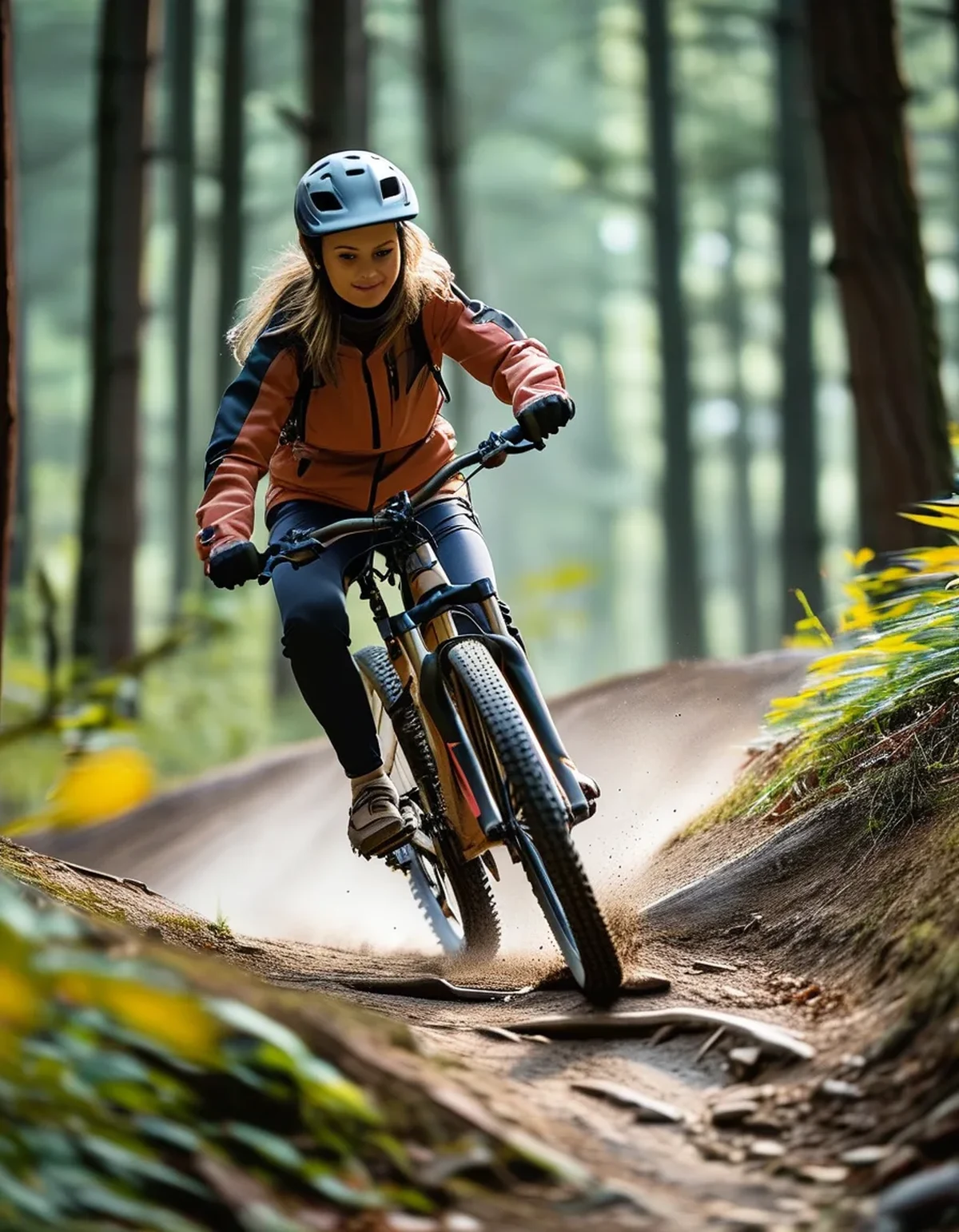
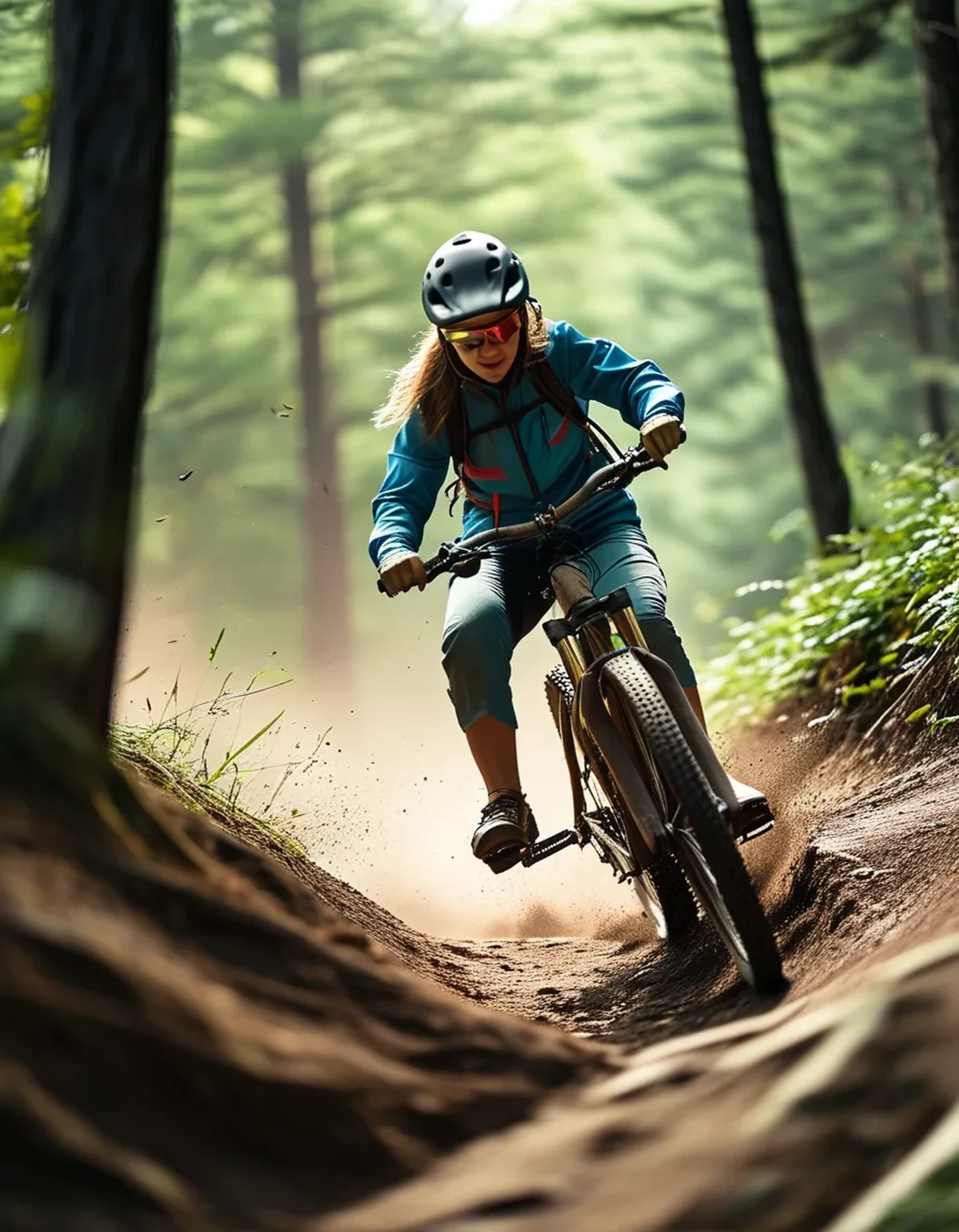
Saddle height changes how freely your hips and body weight can move side to side through a corner — too high, and the saddle physically blocks your hips from shifting into the turn; too low on smoother terrain, and you lose a stable pedaling platform for maintaining speed through connected corners.
The common mistake is treating dropper height as binary (up or down) rather than as a spectrum matched to the specific section of trail.
What’s the actual test for correct cornering height?
Stand on the pedals in an attack position and rock your hips side to side — if the saddle makes contact with your inner thigh or blocks the movement, it’s too high for that section.
On smoother, faster corners where you’re still pedaling between turns, a saddle that’s too low can reduce power transfer and make it harder to maintain the speed that actually helps stability through the turn.
What Nobody Tells You About Dropper Post Habits
Most riders set the dropper once at the top of a descent and leave it there the whole way down, missing the chance to raise it slightly through faster, more open corner sections where a bit of pedaling platform helps.
A less obvious factor: a dropper set too low removes a subtle reference point riders use to judge their body position relative to the bike, which can make cornering feel vague even when technique is otherwise solid.
How should the height change for tight, technical corners versus flowy ones?
Tight, technical corners generally benefit from a fully or mostly dropped post, since hip freedom and the ability to get low matters more than pedaling power in these sections.
Flowy, higher-speed corners with pedaling in between often work better with the post raised a few centimeters from full drop, preserving some pedaling efficiency without sacrificing much hip mobility.
FAQ: Dropper Post and Cornering Questions, Answered
Should beginners worry about micro-adjusting dropper height mid-descent?
Not at first — learning to notice when the saddle blocks hip movement is the more useful early skill, and micro-adjustment can come later as trail reading improves.
Does dropper post height matter as much on hardtails as full-suspension bikes?
Yes, arguably more — without rear suspension absorbing some body position error, correct hip freedom through corners matters even more on a hardtail.
How do I know if my dropper’s travel length is actually the problem?
If even at full drop your hips still contact the saddle in an attack position, the post’s travel length itself may be too short for your leg length and riding style.
TL;DR:
- Saddle height that blocks hip movement is one of the more overlooked cornering limiters
- The attack-position rock test is a fast way to check if height matches the terrain
- Fully dropped works best for tight technical corners, partially raised suits flowy pedaling sections
- Adjusting dropper height per trail section, not just once per descent, improves cornering control
Dialing in dropper height per section takes a few rides to feel natural, but it closes a gap that tire pressure and line choice alone can’t fix.
Keep Reading
This article is for general informational and styling purposes only. Fit, sizing, and product availability may vary.