MTB Gloves for the First Cold Rides
Quick Answer: Cold hands on autumn rides are usually caused by wind chill on descents and damp from sweat rather than by air temperature alone. A wind-resistant glove back matters more than insulation thickness, and a glove that is too thick reduces brake feel enough to be a genuine safety issue. Most riders are best served by a lightly insulated wind-resistant glove down to about 5 degrees, plus a thin liner for colder days.
The climb is fine. Your hands are warm, you are working, everything is comfortable.
Then you turn around and descend for four minutes, and by the bottom you cannot feel the brake lever properly.
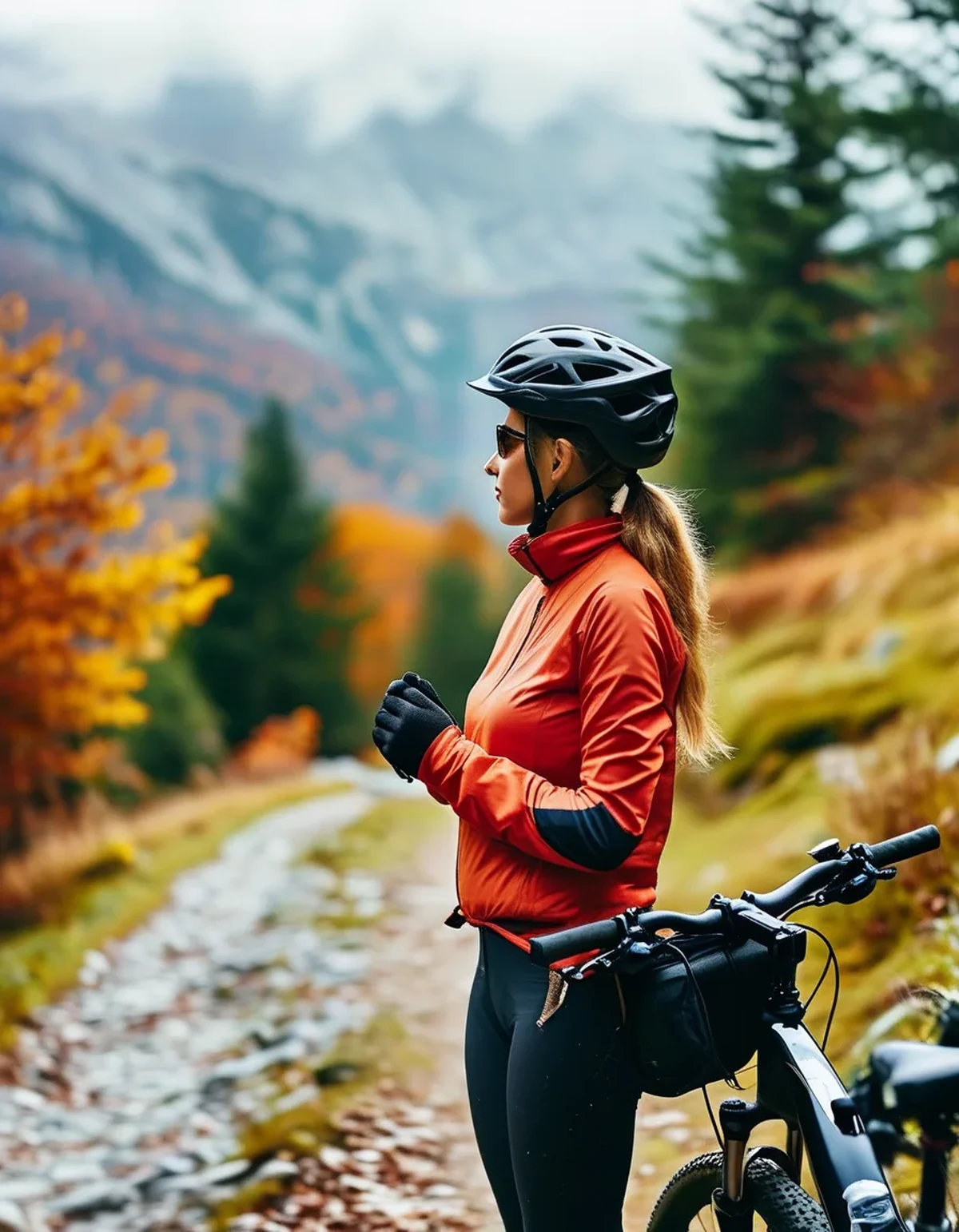
Why do hands get cold on descents specifically?
Wind chill and no muscular work, arriving at the same moment.
On a climb, you are producing heat, your heart rate is high, and blood flow to the extremities is good. Hand temperature is rarely a problem going up regardless of the air temperature.
On a descent, three things change at once. You are producing almost no heat. You are moving at 25 to 40 km/h, which multiplies the cooling effect of the air enormously — at 8 degrees and 30km/h, effective wind chill on exposed skin is closer to 2 or 3 degrees. And your hands are out in front, unshielded, receiving the full airflow.
There is a fourth factor that catches people out: sweat. You sweated on the climb, the glove is damp, and damp fabric in fast-moving air is a highly effective cooling system. A wet glove at 8 degrees is colder than a dry glove at 3.
This is why the failure is so sudden and so specific. It is not the ride getting colder. It is the transition from generating heat to being air-cooled while wet.
What actually matters in an autumn glove?
Wind resistance on the back, dexterity at the palm, and moisture management throughout.
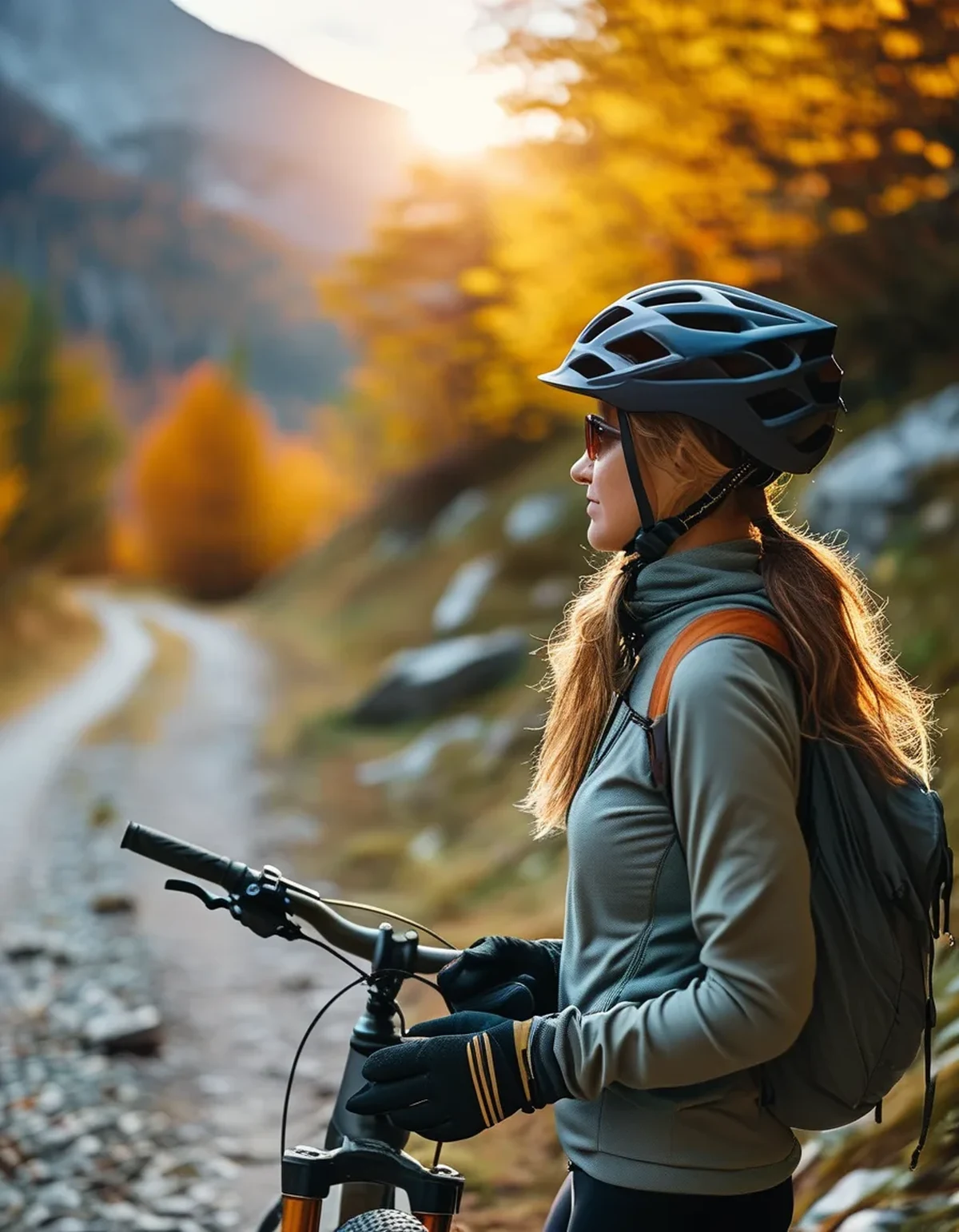
Wind-resistant back panel. The most important feature by a distance, and it is often mistaken for insulation. A thin glove with a windproof membrane on the back outperforms a much thicker glove without one. The back of the hand is where the airflow hits and where most heat is lost.
A thin palm, always. Insulation in the palm is nearly useless — your hands are in contact with grips that are themselves cold, and the palm generates pressure heat anyway. Thick palms destroy brake feel, which is the real cost of over-gloving.
Breathability. The glove has to let climb sweat out, or it becomes the damp problem described above. This is where cheap winter gloves fail: they block wind and moisture equally, so you arrive at the descent with wet hands inside a waterproof bag.
Cuff length and closure. A cuff that overlaps your jacket sleeve stops airflow up the wrist. A gap at the wrist undoes a good glove entirely — it is a common and completely avoidable failure.
And silicone grip on the fingers, because braking with numb fingers in a slippery glove is the situation you are trying to avoid.
What thickness do you actually need at what temperature?
Thinner than most people buy, and the answer changes with how much descending you do.
12 to 18 degrees: Standard summer glove. No change needed.
8 to 12 degrees: A lightweight glove with a wind-resistant back. Minimal insulation. This is the range most autumn riding happens in and where most people over-glove.
4 to 8 degrees: Lightly insulated with a windproof back, or the lightweight glove plus a thin liner. The liner approach is more versatile because you can remove it on climbs.
0 to 4 degrees: Properly insulated winter glove, or lobster-style split-finger for genuinely cold conditions.
Below 0: Insulated glove plus consideration of bar mitts, which look ridiculous and work better than any glove.
The brake feel test: put the glove on and pull the brake lever with one finger. If you cannot modulate the brake — feel the point where the pad bites — the glove is too thick for riding, regardless of how warm it is. Modulation matters more than warmth on a descent, and a glove that removes it has made the ride less safe rather than more comfortable.
What Nobody Tells You About Cold Hands on the Bike
Your core temperature controls your hands more than your gloves do. When your core is cold, your body restricts blood flow to the extremities to protect it. Adding a base layer or a gilet frequently fixes cold hands more effectively than better gloves, and it is the first thing to try.
Grip pressure makes it worse. Death-gripping the bars restricts blood flow and cools your hands faster. Relaxing the grip is both better technique and warmer, and cold hands and tense hands feed each other in a loop.
Bar material matters. Aluminium bars conduct heat away from your palms far faster than carbon. Thicker or foam grips insulate meaningfully. A thicker grip is a cheaper upgrade than a warmer glove and improves comfort year-round.
The two-glove system is what experienced riders use. A thin glove for climbing and a warmer one in the pack for descents. It sounds fussy and it solves the wet-glove problem completely, which is the actual failure mode.
Warm your hands before you start, not after they get cold. Rewarming cold hands mid-ride is slow and unpleasant. Starting warm and staying warm takes almost no effort by comparison.
And if one hand is consistently colder than the other, check your brake lever reach and your body position. Asymmetric grip pressure is more common than people realise and it produces exactly that pattern.
FAQ: Cold Weather MTB Gloves, Answered
Are waterproof gloves worth it?
For sustained rain, yes, and they are usually too warm and too clumsy for merely cold dry days. Most riders are better served by a water-resistant glove plus a spare dry pair than by a fully waterproof one.
Do heated gloves work for mountain biking?
They work, and they are bulky, expensive, and add a battery to manage. For most autumn riding they are considerably more than the problem requires. In genuinely cold conditions with poor circulation, they are a reasonable answer.
Why are my fingertips cold when the rest of my hand is fine?
Fingertips have the highest surface-area-to-volume ratio and the least muscle, so they lose heat first. Glove fit matters here — a glove too tight at the fingertips restricts circulation and makes it worse, which is why sizing up slightly for cold weather often helps.
Should I size up for a liner?
Yes, half a size, otherwise the liner compresses the outer glove’s insulation and restricts circulation. Both effects make your hands colder, which is the opposite of what you wanted.
TL;DR:
- Cold hands on descents come from wind chill plus damp from the climb, not from air temperature alone.
- A wind-resistant back panel matters far more than insulation thickness; the palm should stay thin for brake feel.
- Test brake modulation with the glove on — if you cannot feel the bite point, the glove is too thick to ride in.
- A warmer core and a thicker grip fix cold hands more often than a warmer glove does.
Before your next cool ride, pull your brake with the gloves you plan to wear. Thirty seconds in the garage beats finding out four minutes into a descent.
Keep Reading
This article is for general informational and styling purposes only. Fit, sizing, and product availability may vary.