How to Choose Mountain Bike Tire Tread for Your Actual Trails
Quick Answer: Match tread aggressiveness to your dominant trail condition — smooth, hard-packed trails call for lower-profile, faster-rolling tread, while loose, muddy, or rocky terrain needs taller, more widely-spaced knobs for grip, since a mismatched tread either slows you down unnecessarily or leaves you without traction when it matters.
Why does tread pattern matter as much as tire width or brand?
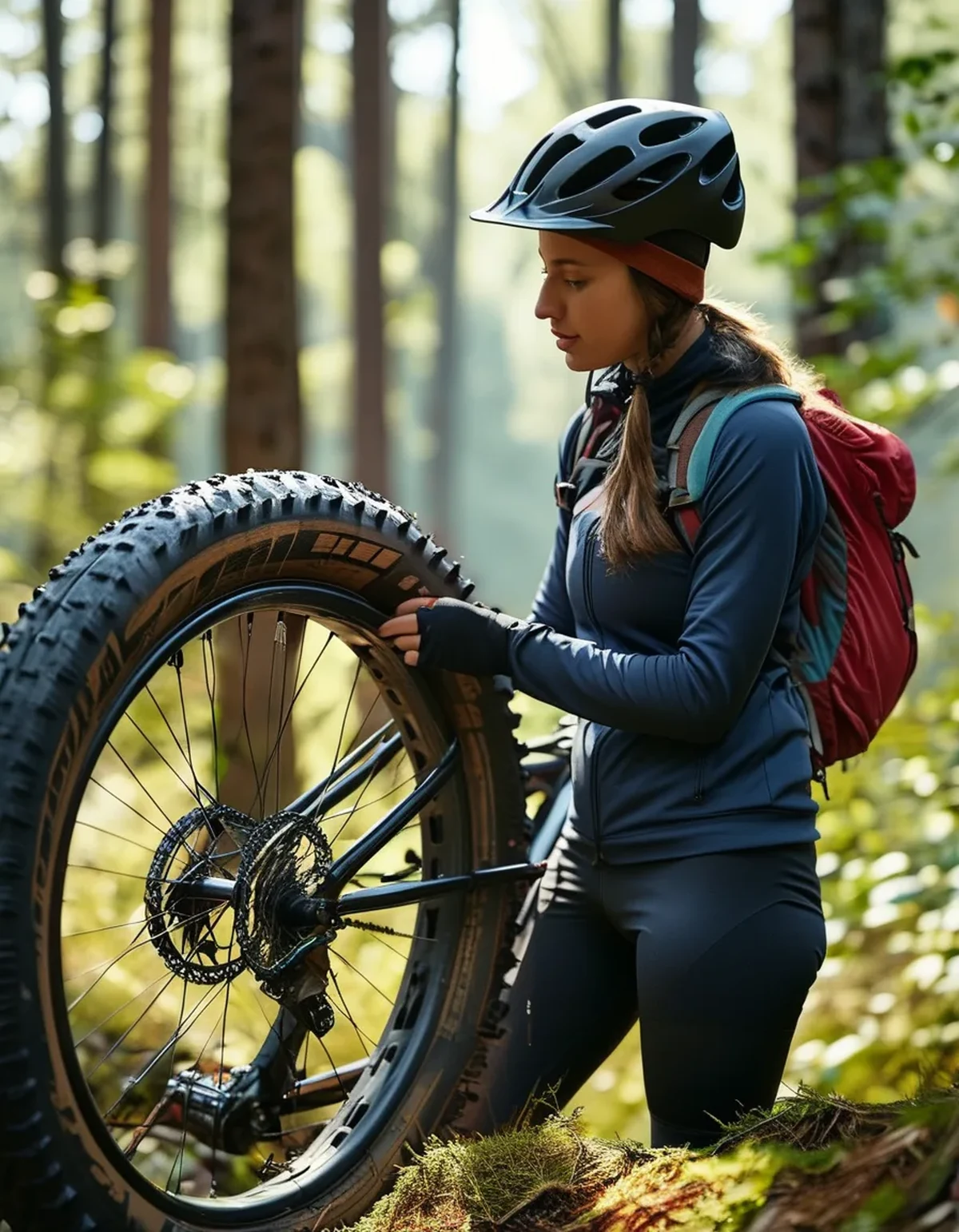
Tread pattern determines how the tire interacts with the specific surface you’re riding — a tire optimized for mud digs into hardpack too aggressively and rolls slowly, while a tire built for hardpack slides around uncontrollably in loose or wet conditions. Width affects volume and cushioning, but tread is what actually grips the trail surface.
What tread type works best for hard-packed, dry trail conditions?
Lower-profile tread with closely-spaced center knobs rolls faster and more efficiently on firm surfaces, since there’s less loose material for taller knobs to dig into. This is the right choice if your local trails are mostly dry, compact dirt without much mud or loose rock.
What about loose, rocky, or root-heavy terrain?
Taller, more widely-spaced knobs bite into loose surfaces and provide more edge grip on rocks and roots, at the cost of some rolling efficiency on smoother sections. This tradeoff is usually worth it if unpredictable terrain is a regular feature of your rides rather than an occasional exception.
Does front and rear tire tread need to match?
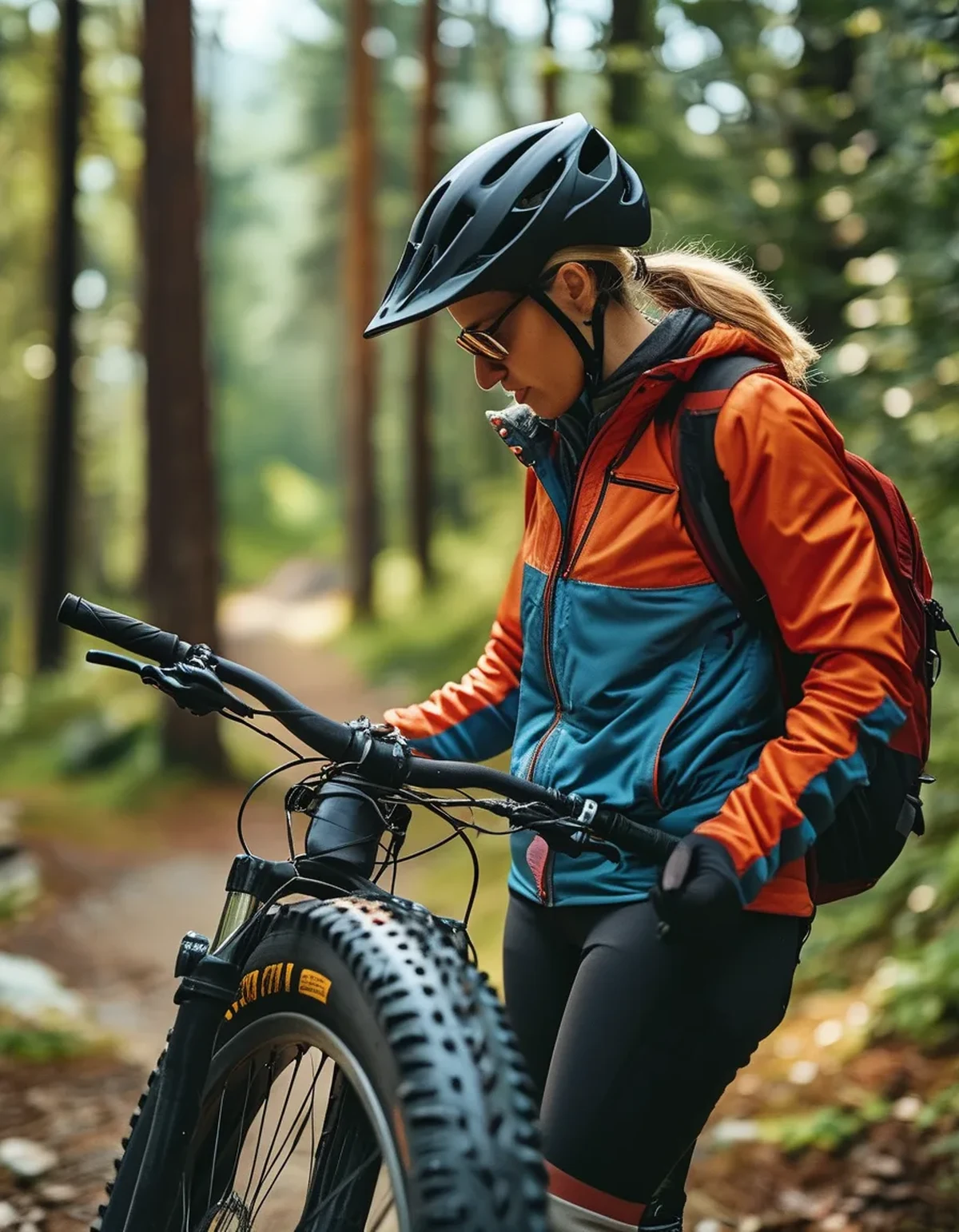
Not necessarily — many riders run a more aggressive tread up front for steering confidence and cornering grip, paired with a faster-rolling rear tire for efficiency, since the front tire does most of the traction work in turns while the rear mostly needs to grip under braking and power.
Why Your Tire Pressure Might Matter More Than the Tread Pattern You Picked
Even the best-matched tread underperforms at the wrong pressure — too high and the tire can’t conform to terrain irregularities, reducing grip regardless of knob design; too low risks pinch flats and unstable cornering. Dialing in pressure for your weight, tire width, and terrain is a cheaper, faster adjustment than buying new tires.
FAQ: Mountain Bike Tread Selection, Answered
How often should mountain bike tires actually be replaced?
Most riders get 1,000-3,000 miles depending on terrain abrasiveness and riding style, though visible knob wear or reduced grip in familiar conditions are better indicators than mileage alone.
Is it worth owning two tire sets for different seasons?
For riders in areas with distinct wet and dry seasons, yes — swapping between a mud-focused tread and a hardpack-focused tread often outperforms one compromise tire year-round.
Does tubeless setup change which tread pattern works best?
Not directly, though tubeless setups allow safely running lower pressures, which can extend the effective grip range of a given tread pattern beyond what a tubed tire could handle.
TL;DR:
- Match tread aggressiveness to your dominant trail surface, not just preference
- Lower-profile tread rolls faster on hardpack; taller knobs grip loose terrain
- Mixing a grippier front tire with a faster rear tire is a common, effective setup
- Tire pressure often matters as much as tread pattern for actual grip
The ‘best’ mountain bike tread doesn’t exist in the abstract — it exists relative to the specific trails you actually ride most often.
Keep Reading
This article is for general informational and styling purposes only. Fit, sizing, and product availability may vary.