The Cornering Technique Difference That Separates Confident Mountain Bikers From Nervous Ones
Slowing down and braking cautiously through a mountain bike corner feels like the safer, more controlled instinct, but it actually reduces real control compared to the specific and genuinely counterintuitive technique experienced riders rely on instead — a technique built around weight positioning and where the eyes look rather than braking. Here is why the braking instinct actually reduces control rather than improving it, the specific mechanics of why weighting and looking ahead work better, and how to practice the correct technique progressively rather than attempting it cold on an intimidating first corner.
Why the Instinct to Slow Down and Brake Through a Corner Actually Reduces Control
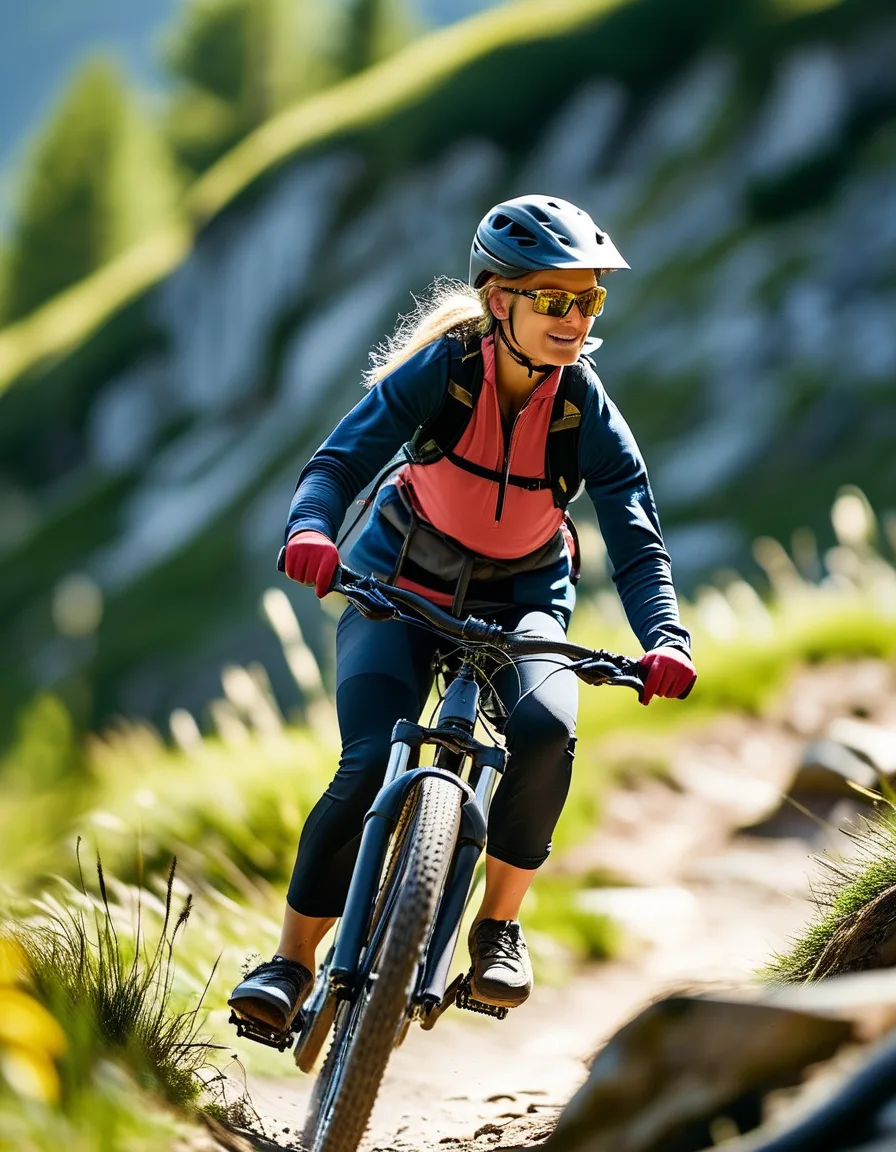
The counterintuitive mechanical reality: braking-specifically-while-a-bike-is-actively-leaned-over-mid-corner-genuinely-reduces-available-tire-traction-since-braking-force-and-cornering-force-both-compete-for-the-same-finite-total-amount-of-tire-grip-available-at-any-given-moment-from-the-mtb-cornering-technique-guide-logic (the establishing the actual core mechanical reason braking mid-corner backfires, tied to a real and specific physics concept — finite total available traction being shared between two competing demands — the braking-specifically-and-particularly-while-a-bike-is-actively-leaned-over-mid-corner-genuinely-and-measurably-reduces-available-tire-traction-since-real-braking-force-and-real-cornering-force-both-genuinely-compete-for-and-draw-from-the-exact-same-finite-total-amount-of-tire-grip-thats-actually-available-at-any-given-single-moment), this-specific-reduced-traction-effect-during-braking-mid-corner-genuinely-increases-the-actual-risk-of-a-front-or-rear-wheel-losing-grip-and-sliding-out-which-is-precisely-the-loss-of-control-outcome-the-instinctive-braking-response-was-actually-trying-to-prevent-in-the-first-place (the establishing the direct and ironic practical consequence, showing that the instinctive safety response actually produces the exact outcome it was meant to prevent — the this-specific-and-genuinely-reduced-traction-effect-that-occurs-during-braking-mid-corner-genuinely-and-measurably-increases-the-actual-real-risk-of-either-the-front-or-rear-wheel-losing-grip-and-sliding-out-entirely-which-is-precisely-and-ironically-the-exact-loss-of-control-outcome-that-the-original-instinctive-braking-response-was-actually-trying-to-prevent-in-the-first-place), and the reframe (the instinct to brake mid-corner as producing exactly the opposite of its intended effect — reduced total available traction increases slide-out risk rather than reducing it — because braking force and cornering force draw from the same finite grip budget, meaning the actually safer approach requires doing less braking specifically at the moment it feels most instinctively necessary)).
The Specific Mechanics of Why Weighting and Looking Ahead Work Better Than Braking
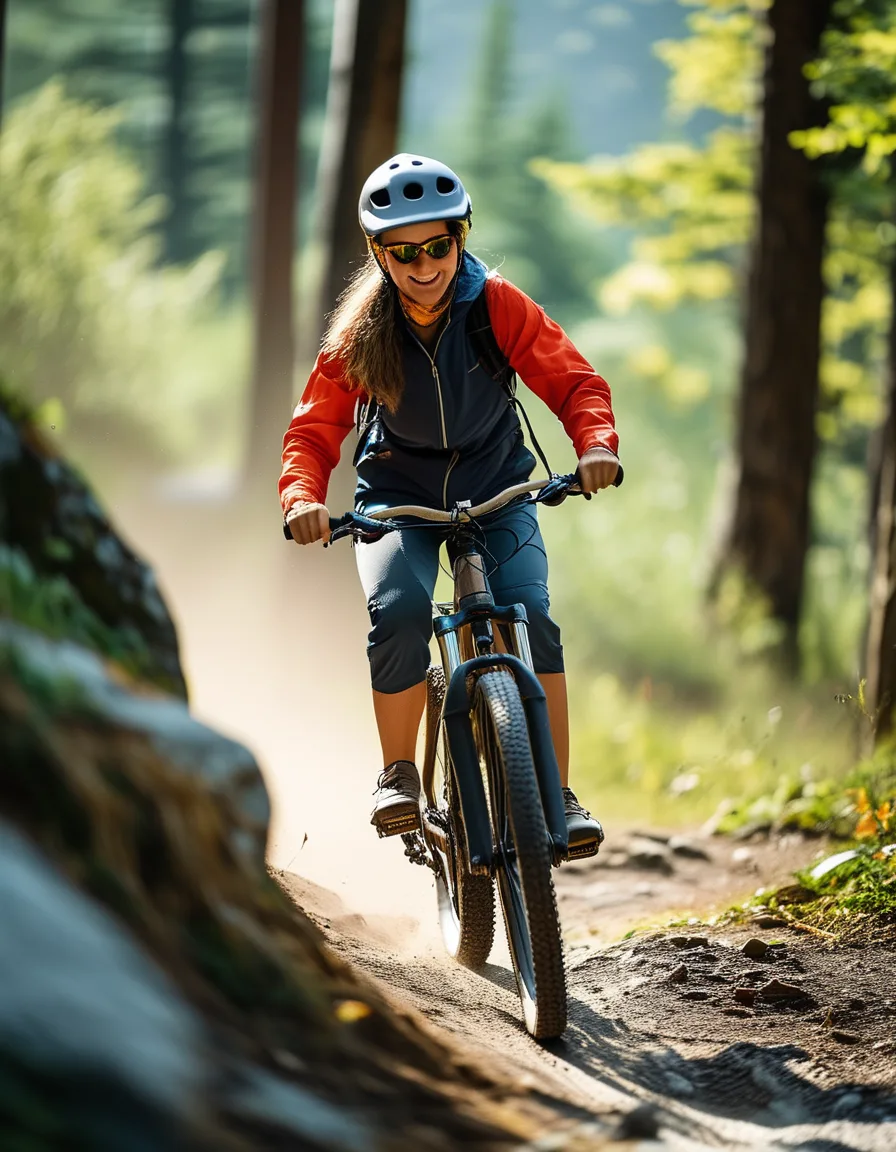
How the correct technique actually functions: shifting-and-committing-body-weight-toward-the-outside-pedal-and-slightly-forward-during-a-corner-genuinely-increases-tire-contact-pressure-and-therefore-increases-real-available-traction-precisely-when-and-where-its-actually-needed-most-during-the-turn-from-the-mtb-cornering-technique-guide-logic (the establishing the actual specific weighting mechanism directly, explaining precisely how correct body positioning increases available traction rather than depleting it the way braking does — the deliberately-shifting-and-genuinely-committing-body-weight-toward-the-outside-pedal-and-slightly-forward-during-an-active-corner-genuinely-and-measurably-increases-actual-tire-contact-pressure-and-therefore-genuinely-increases-real-and-available-traction-precisely-when-and-exactly-where-its-actually-needed-the-most-throughout-the-entire-turn), looking-and-focusing-the-eyes-toward-the-actual-exit-point-of-a-corner-rather-than-down-at-the-front-wheel-or-at-the-immediate-obstacle-directly-in-front-genuinely-and-measurably-improves-balance-and-line-choice-since-the-body-naturally-and-automatically-tends-to-follow-wherever-the-eyes-are-actually-looking (the establishing the second and distinct correct-technique mechanism, eye direction, explaining its own separate physiological basis for why it improves control rather than simply asserting it does — the deliberately-looking-and-genuinely-focusing-the-eyes-specifically-toward-the-actual-real-exit-point-of-a-given-corner-rather-than-looking-down-at-the-front-wheel-or-fixating-on-any-immediate-obstacle-directly-in-front-genuinely-and-quite-measurably-improves-overall-balance-and-real-line-choice-through-the-corner-since-the-body-genuinely-and-automatically-tends-to-naturally-follow-wherever-the-eyes-are-actually-and-currently-looking), and the frame (the actual mechanics as weight shift toward the outside pedal increasing tire contact pressure and available traction exactly when needed, and eye focus toward the corner exit improving balance and line choice through the body’s natural tendency to follow the eyes — two distinct, physiologically grounded mechanisms that together explain why this counterintuitive technique genuinely outperforms the instinctive braking response).
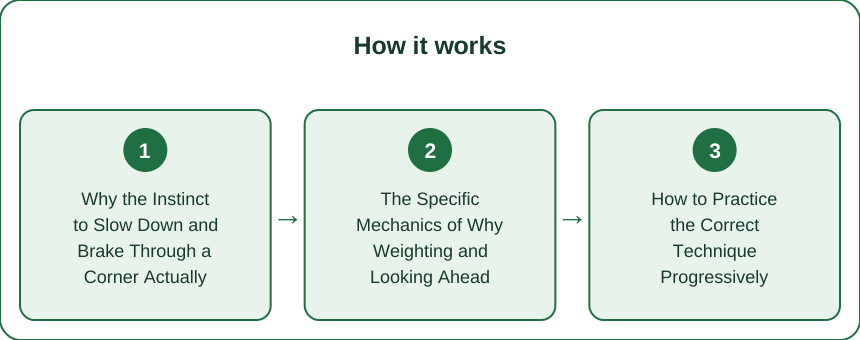
How to Practice the Correct Technique Progressively Rather Than Attempting It Cold on an Intimidating First Corner
The practical progressive practice approach: practice-the-weight-shift-and-eye-focus-technique-first-on-a-gentle-and-genuinely-low-consequence-corner-at-a-slow-and-controlled-speed-before-ever-attempting-it-on-a-more-technical-or-higher-speed-trail-section-from-the-mtb-skills-progression-guide-logic (the establishing the actual correct and practical starting point for skill-building, matching the general low-stakes-first principle already established elsewhere in this content set for other physically demanding skill acquisitions — the deliberately-practicing-the-specific-weight-shift-and-eye-focus-technique-first-on-a-genuinely-gentle-and-quite-low-consequence-corner-specifically-at-a-slow-and-fully-controlled-speed-before-ever-attempting-that-same-technique-on-a-considerably-more-technical-or-genuinely-higher-speed-trail-section), consciously-and-deliberately-practice-the-actual-eye-focus-component-specifically-on-its-own-during-easy-riding-since-training-the-habit-of-looking-toward-an-intended-exit-point-rather-than-down-at-the-front-wheel-can-be-practiced-and-built-independently-of-any-actual-cornering-speed-or-difficulty-at-all (the establishing a second and specifically isolated practice component, separating out the eye-focus skill for independent drilling since it can genuinely be trained separately from the full cornering skill — the consciously-and-quite-deliberately-practicing-the-actual-specific-eye-focus-component-of-the-technique-entirely-on-its-own-during-easy-and-low-stakes-riding-generally-since-training-the-actual-habit-of-genuinely-looking-toward-an-intended-corner-exit-point-rather-than-looking-down-at-the-front-wheel-can-genuinely-be-practiced-and-built-independently-of-any-actual-cornering-speed-or-real-technical-difficulty-at-all), and gradually-increase-both-cornering-speed-and-trail-technicality-only-once-the-weight-shift-and-eye-focus-technique-genuinely-feels-automatic-and-comfortable-at-the-current-level-rather-than-progressing-to-a-harder-corner-before-the-fundamental-technique-itself-is-actually-solid (the a final and practical progression-gating criterion, ensuring the whole progressive approach doesn’t advance faster than the actual underlying skill genuinely supports — the deliberately-and-carefully-gradually-increasing-both-actual-cornering-speed-and-real-trail-technicality-only-once-the-full-weight-shift-and-eye-focus-technique-genuinely-feels-fully-automatic-and-comfortable-at-the-current-difficulty-level-rather-than-progressing-onward-to-any-harder-or-faster-corner-before-the-fundamental-underlying-technique-itself-is-actually-genuinely-solid-and-reliable), and the frame (the progressive practice approach as starting on a gentle low-consequence corner at slow controlled speed, practicing the eye-focus component in isolation during easy riding since it can be trained independently, and only increasing speed and trail technicality once the technique genuinely feels automatic at the current level — a genuine skill-building progression rather than attempting the full counterintuitive technique cold on an intimidating and unfamiliar corner).
Braking while a bike is actively leaned over mid-corner genuinely reduces available tire traction, since braking force and cornering force both compete for the same finite total amount of grip available at any moment, which ironically increases the risk of a wheel losing grip and sliding out — exactly the loss of control the instinctive braking response was trying to prevent. The correct technique instead shifts body weight toward the outside pedal and slightly forward, which increases tire contact pressure and available traction precisely when it’s needed most, while focusing the eyes toward the corner’s actual exit point rather than down at the front wheel improves balance and line choice since the body naturally tends to follow wherever the eyes are looking. Practice this progressively by starting on a gentle, low-consequence corner at slow controlled speed, drilling the eye-focus component in isolation during easy riding since it can be trained independently of actual cornering speed, and only increasing speed and trail technicality once the full technique genuinely feels automatic and comfortable rather than attempting it cold on a harder or faster corner.
Keep Reading
This article is for general informational and styling purposes only. Fit, sizing, and product availability may vary.