Why Staring at the Obstacle You're Trying to Avoid Makes You More Likely to Hit It
Quick Answer: Target fixation happens because your bike naturally tends to go where your eyes are pointed — steering input is subconsciously influenced by gaze direction, so staring at a rock or root you’re trying to avoid increases the odds of steering toward it rather than around it, a well-documented phenomenon in both cycling and driving research.
You see the rock, think “don’t hit that rock,” stare right at it, and somehow ride straight into it anyway. It’s not bad luck and it’s not poor bike handling — it’s a documented perceptual effect that even experienced riders have to actively train against.

Why does your bike go where your eyes look?
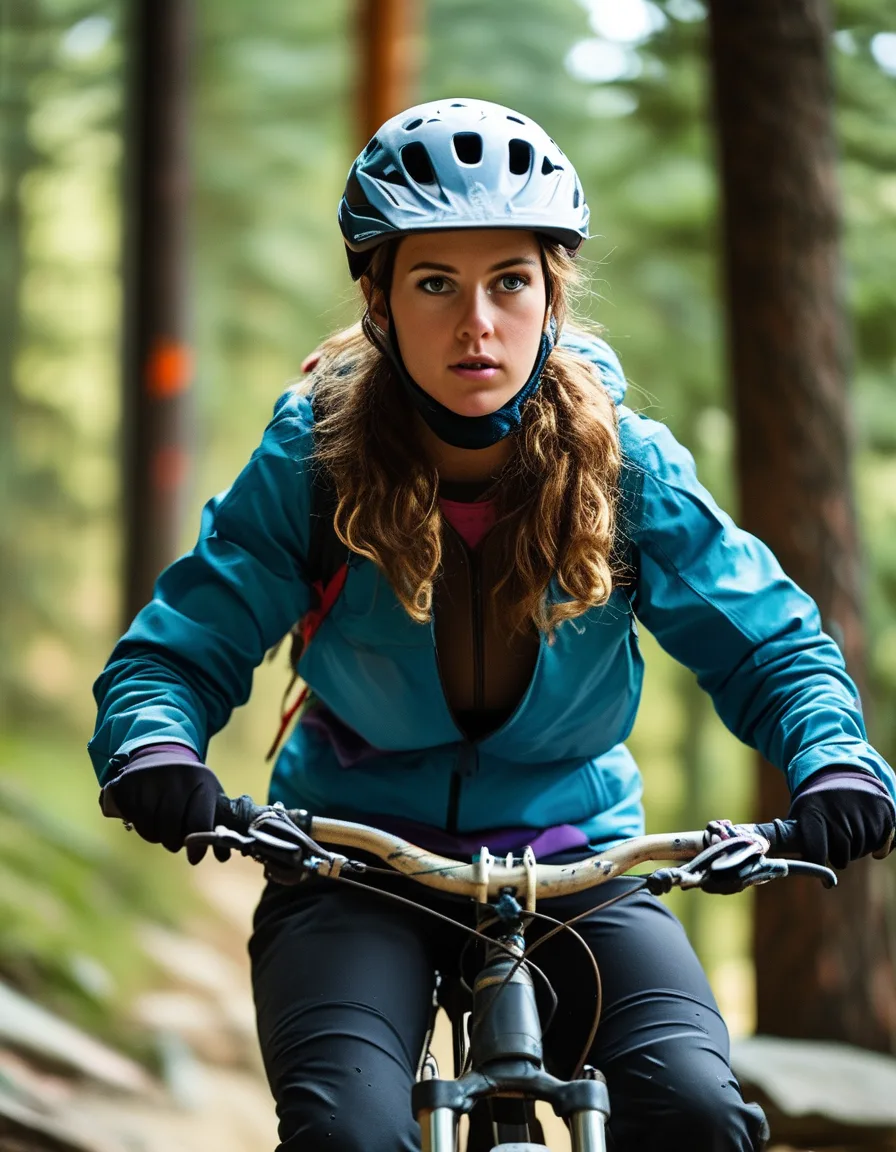
Steering a bike involves subtle, largely subconscious weight shifts and handlebar adjustments that are guided partly by visual attention. Your body makes micro-corrections toward whatever your visual focus is locked onto, which is a useful mechanism when you’re looking at your intended line — and a working-against-you mechanism when you’re staring at the exact obstacle you want to avoid.
How is this different from just ‘being careful’ near obstacles?
Being consciously careful doesn’t override the visual-steering link — in fact, intense focus on an obstacle (which often happens when riders are being extra careful) can strengthen target fixation rather than reduce it. The fix isn’t more caution about the obstacle; it’s redirecting where your eyes actually point, which is a trainable skill separate from general carefulness.
What’s the actual technique to fix this?
Look at your intended line, not the obstacle — pick the gap or path around the hazard and lock your visual focus there instead of on the hazard itself. This takes deliberate practice because the instinct to check the obstacle is strong, but experienced technical riders consistently report that shifting focus to the intended path, even a fraction of a second earlier than feels natural, meaningfully reduces obstacle contact.
Myth vs Fact: Target Fixation Edition
Myth: Target fixation only affects beginners. Fact: Experienced riders still experience it, especially on unfamiliar or high-consequence terrain — it’s a perceptual phenomenon, not a skill-level indicator.
Myth: Slowing down eliminates the risk of target fixation. Fact: Speed changes the consequences but not the underlying visual-steering mechanism; the gaze-redirection technique matters at any speed.
Myth: You just need to “try harder” to avoid the obstacle. Fact: Trying harder often means staring more intently at the obstacle, which can worsen fixation — the fix is a specific visual habit change, not more effort or caution in general.
FAQ: Target Fixation Questions, Answered
How do you actually practice looking at the line instead of the obstacle?
Start with low-consequence, low-speed practice over small obstacles, deliberately calling out the line you’re aiming for out loud before approaching, to build the habit consciously before it needs to be automatic.
Does this apply to road cycling too?
Yes — the same visual-steering link applies broadly to cycling and even driving, not just mountain biking.
Does peripheral vision still register the obstacle if you’re not looking directly at it?
Yes — peripheral vision still picks up the obstacle’s presence and general position, which is enough for basic avoidance without needing direct visual fixation on it.
TL;DR:
- Steering is subconsciously guided by gaze direction — staring at an obstacle increases odds of hitting it
- This affects experienced riders too, not just beginners
- The fix is deliberately looking at your intended line, not the hazard
- Peripheral vision still tracks the obstacle even when you’re not looking directly at it
Next technical section, practice saying your line out loud before you ride it — it forces your eyes where they actually need to be.
Keep Reading
This article is for general informational and styling purposes only. Fit, sizing, and product availability may vary.